It was 11pm on a Tuesday when I googled “can dogs eat grapes how many is too many.”
My dog Pepper had snatched two grapes off the kitchen counter while I was making a fruit salad. Just two. She ate them so fast I didn’t even register what happened until I saw the empty stem on the floor.
Twenty minutes of frantic googling later, I was on the phone with an emergency vet, explaining what happened. They told me to bring her in immediately. Grapes — even one or two — can cause acute kidney failure in dogs, and the scary part is that nobody knows exactly why or what quantity is dangerous. Some dogs eat several and are fine. Others eat one and go into kidney failure. There’s no safe threshold.
Pepper was okay. We caught it early, they induced vomiting, she was monitored overnight. I cried twice in the waiting room and spent $400 I didn’t have budgeted for a Tuesday night.
The thing is — I thought I knew which foods were dangerous. I knew about chocolate. I’d heard grapes were “not great.” I didn’t know “not great” meant potentially fatal in a single sitting.
That night changed how I think about food around my dog permanently. Here’s everything I’ve learned since — organized in a way that’s actually useful when you’re standing in your kitchen wondering if that thing your dog just ate is going to be a problem and which human foods dogs can and cannot eat.
The Foods That Can Kill — Know These Cold
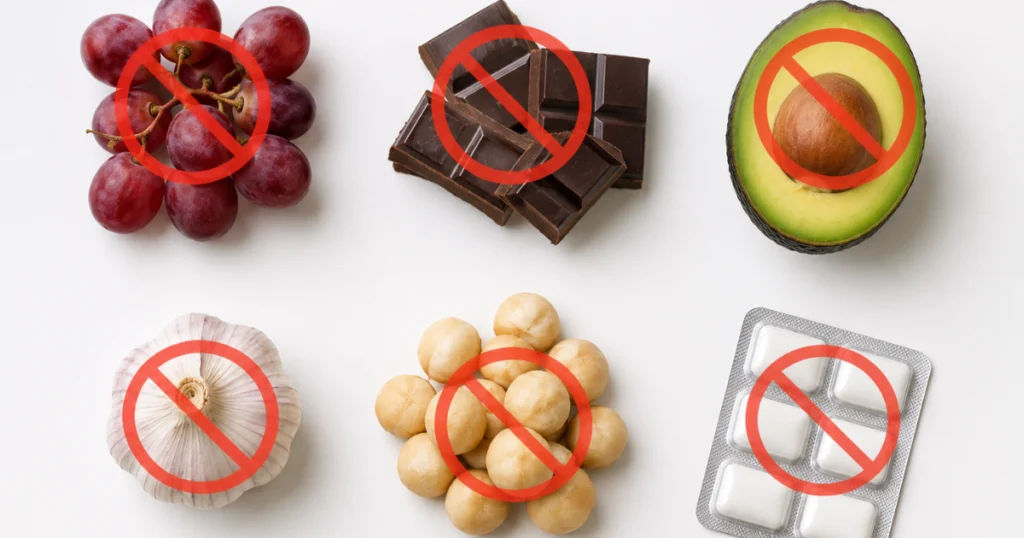
These aren’t “avoid if possible” situations. These are genuine emergencies if your dog eats them. Save this list somewhere you can find it fast.
Grapes and raisins The most unpredictable toxin on this list. Both grapes and raisins (which are just dried grapes, more concentrated) can cause sudden kidney failure. The terrifying part: the toxic mechanism isn’t understood, the dangerous dose isn’t established, and some dogs seem unaffected while others have fatal reactions to tiny amounts. Raisins in trail mix, grape juice, wine, fruit cake — all count. If your dog eats any amount, call a vet immediately without waiting to see symptoms.
Xylitol (artificial sweetener) This one hides in places people don’t expect. Xylitol is in sugar-free gum, some peanut butters, certain brands of yogurt, some vitamins and medications, and increasingly in “health” food products marketed to humans. It causes a rapid and severe drop in blood sugar in dogs and can cause liver failure. Check every peanut butter label before giving it to your dog — the word “xylitol” in the ingredient list is a hard stop.
Chocolate The most well-known one. The toxic compounds are theobromine and caffeine, and the danger scales with the type of chocolate — dark chocolate and baking chocolate are far more dangerous than milk chocolate or white chocolate (which contains minimal theobromine). A large dog eating a square of milk chocolate is not the same situation as a small dog eating a chunk of dark baking chocolate. When in doubt, call the ASPCA Animal Poison Control Center (888-426-4435) — they can help you assess the specific risk based on your dog’s weight and what they ate.
Onions, garlic, leeks, and chives All members of the Allium family, and all toxic to dogs. They damage red blood cells, causing hemolytic anemia. The effect is cumulative — small amounts over time can be just as dangerous as one large dose. This includes cooked and powdered forms. Garlic powder is more concentrated than fresh garlic and sneaks into a lot of human foods. Onion rings, garlic bread, soups with onion base, stir-fries — all off limits.
Macadamia nuts Even small amounts cause weakness, vomiting, tremors, and hyperthermia in dogs. The toxic mechanism is unknown, similar to grapes. Usually not fatal but can cause significant distress and requires vet attention.
Alcohol Dogs process alcohol far less efficiently than humans. Even small amounts can cause vomiting, disorientation, breathing problems, and in serious cases, coma. This includes beer, wine, spirits, and foods cooked with alcohol where it hasn’t fully evaporated (wine-braised meats, tiramisu, rum cake).
Caffeine Coffee, tea, energy drinks, some medications. Similar mechanism to chocolate toxicity — affects the heart and nervous system. More dangerous in smaller dogs.
Raw yeast dough Uncooked bread dough with active yeast is dangerous in two ways: the yeast ferments in the warm stomach, producing alcohol (ethanol poisoning), and the expanding dough can cause painful bloat and potentially rupture the stomach. Baked bread is fine. Raw dough is not.
Avocado Contains persin, which can cause vomiting, diarrhea, and fluid accumulation around the heart in dogs. The flesh is the most dangerous part; the skin and pit contain higher concentrations. The pit is also a choking and obstruction hazard.
Cooked bones Not a toxin, but worth including here because the instinct to give dogs bones is so strong. Cooked bones — chicken bones especially — splinter into sharp shards that can puncture the digestive tract. Raw bones are generally safer (though still carry bacterial risks). Cooked bones from any bird: never.
Foods That Are Safe — And Actually Good for Dogs
This list is longer than most people expect. Dogs can eat a wide range of whole human foods, and some of them are genuinely nutritious additions to their diet.
Fruits dogs can eat:
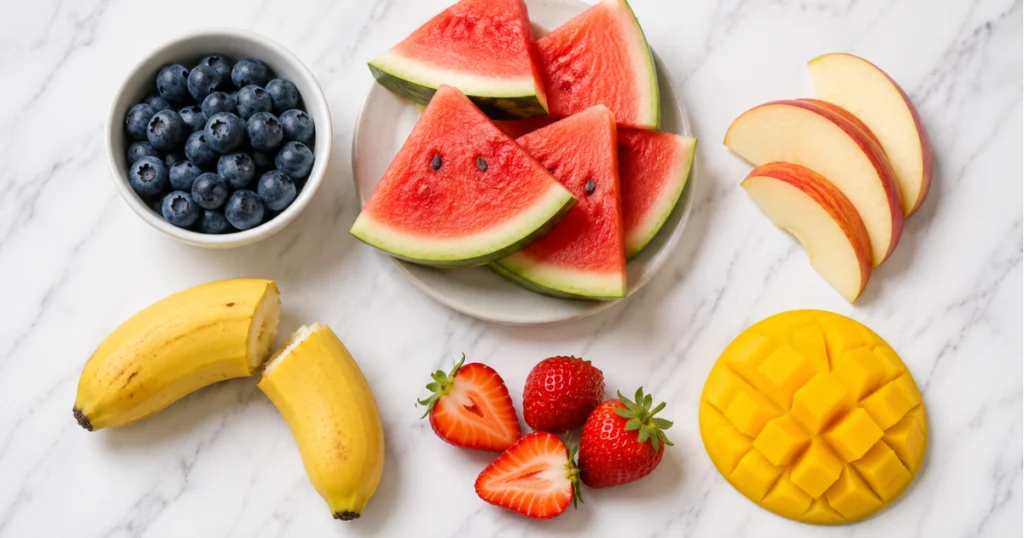
- Blueberries — antioxidant-rich, great as training treats, served fresh or frozen
- Watermelon — hydrating and dogs love it; remove the seeds and rind
- Apples — remove the core and seeds (seeds contain trace cyanide compounds); the flesh is fine and provides fiber
- Bananas — high in potassium and natural sugar; fine in moderation, not as a staple
- Strawberries — safe and enjoyable; high in vitamin C
- Mango — remove the pit and skin; the flesh is sweet and nutritious
- Pineapple — safe in small amounts; some owners swear it reduces coprophagia (poop eating) though evidence is mixed
- Cantaloupe — hydrating and tasty; remove seeds and rind
- Pears — remove the core and seeds; the flesh is fine
- Raspberries — safe in moderation; contain small amounts of xylitol naturally but at levels that aren’t dangerous in normal quantities
Vegetables dogs can eat:
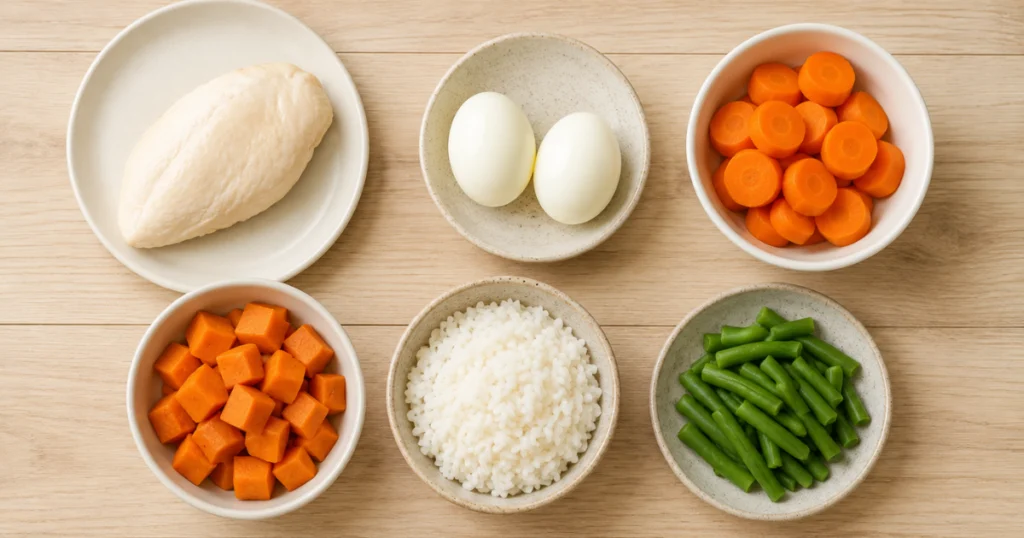
- Carrots — one of the best dog-safe vegetables; crunchy raw carrots are great for teeth
- Sweet potato — cooked, plain sweet potato is one of the most digestible and nutritious things you can feed a dog
- Green beans — low calorie, high fiber; great for dogs that need to lose weight
- Pumpkin — plain canned pumpkin (not pie filling) is excellent for digestion; solves both constipation and loose stool
- Broccoli — safe in small amounts; too much can cause gastric irritation
- Cucumber — hydrating, low calorie, most dogs enjoy the crunch
- Peas — fresh, frozen, or cooked; fine as an occasional addition
- Cooked spinach — safe in small amounts; very large quantities can interfere with calcium absorption
- Zucchini — plain, cooked or raw; dogs generally like it
Proteins and other foods:
- Cooked chicken — the gold standard dog-safe protein; plain, no seasoning, no bones
- Cooked salmon — excellent source of omega-3 fatty acids; must be fully cooked (raw salmon can carry a parasite called Neorickettsia helminthoeca that’s fatal to dogs in the Pacific Northwest)
- Eggs — fully cooked eggs are a great protein and biotin source; raw egg whites can block biotin absorption over time
- Plain cooked rice — highly digestible; the go-to base for a bland diet when a dog has an upset stomach
- Plain oatmeal — cooked, no additives; good fiber source
- Plain yogurt — live cultures are fine and can support gut health; must be plain and not contain xylitol or artificial sweeteners
- Peanut butter — safe only if xylitol-free; check every label every time because formulations change. Brands change their recipes. Check again.
- Cheese — most dogs tolerate it in small amounts; high in fat so don’t go overboard; useful as a high-value training treat
- Cooked turkey — plain, unseasoned, no skin (turkey skin is very high fat and can trigger pancreatitis)
- Plain popcorn — air-popped, no butter, no salt; fine as an occasional treat
- Coconut — small amounts of fresh coconut flesh are safe and some dogs enjoy it
The Gray Zone: Foods That Are “It Depends”
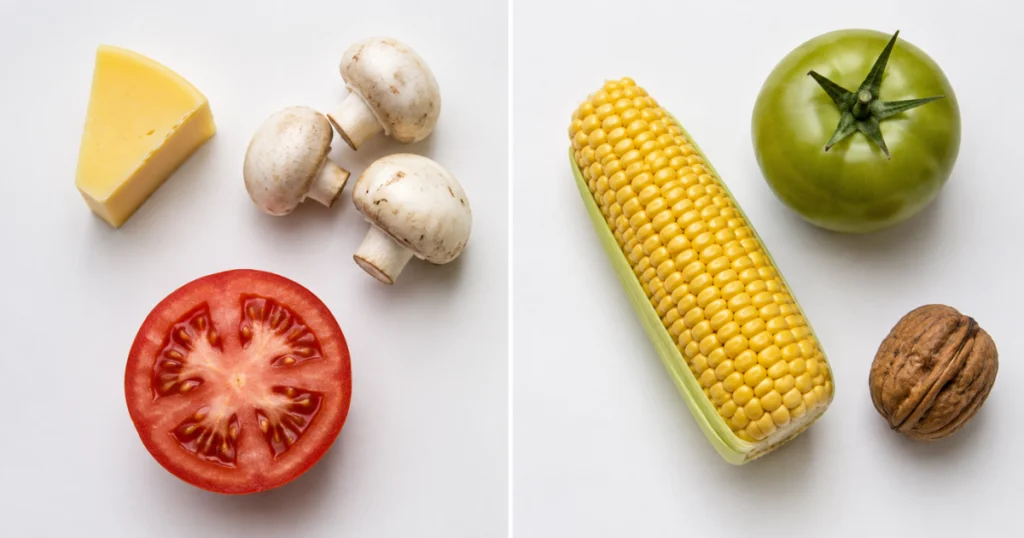
Dairy generally Most dogs are somewhat lactose intolerant to varying degrees. Small amounts of plain yogurt or cheese are usually fine. A bowl of milk is a different story — loose stool almost guaranteed for most dogs.
Mushrooms Store-bought culinary mushrooms (white button, cremini, portobello) are generally considered safe, but wild mushrooms are a different category entirely — many are severely toxic. The practical rule: don’t let your dog eat mushrooms they find in the yard, even if you think you can identify the species.
Tomatoes Ripe red tomato flesh is considered safe. Green tomatoes and tomato plants contain solanine and tomatine, which are toxic. This comes up in gardens — dogs that have access to vegetable gardens and eat unripe tomatoes or chew on the plant itself are at risk.
Corn Corn kernels are safe. Corn on the cob is not — dogs swallow large chunks of the cob which can cause intestinal obstruction. It’s one of the more common foreign body surgeries vets perform in summer.
Nuts generally Almonds aren’t toxic but are difficult to digest and a choking hazard. Walnuts can harbor molds that produce toxins. Pecans and hickory nuts contain compounds similar to macadamia nuts. The only genuinely dog-safe nut is peanuts (technically a legume) — plain, unsalted, and not in excessive quantities.
What I Do Differently Now

After the grape incident, I made a few permanent changes to how we handle food around Pepper:
I keep the ASPCA Poison Control number in my phone. 888-426-4435. There’s a small consultation fee ($95 last time I checked) but they give you specific guidance based on your dog’s weight and what they actually ate — not generic internet advice. Worth every cent at 11pm when you’re panicking.
I use the Pet Poison Helpline app (also available as a website). You can look up specific foods and get a risk assessment instantly. Useful in the moment when you can’t remember if something is dangerous.
I pre-check anything new before offering it. Takes 30 seconds. I just type “[food] safe for dogs” before giving Pepper anything she hasn’t had before. This sounds obvious but I genuinely didn’t do it consistently before.
I stopped assuming “a little bit is fine.” This logic works for some foods and catastrophically fails for others. Grapes taught me that. Xylitol reinforces it.
I put a list of the top 10 dangerous foods on my fridge. It feels excessive until a guest unknowingly drops a grape or offers the dog a piece of sugar-free gum. Then it feels exactly right.
Homemade Food and Human Ingredients
If you’re feeding your dog homemade meals, the safe/unsafe list above becomes directly relevant to every meal you prepare. Our homemade dog food recipes are built around dog-safe whole food ingredients — but if you’re adapting human recipes, cross-checking every ingredient is non-negotiable.
Onion powder in a seasoning blend, raisins in a bread recipe, xylitol in a “natural” sweetener — these things sneak in. Check before you cook, not after.
For a full picture of what balanced dog nutrition looks like and how to build meals around safe ingredients, our complete dog nutrition guide is worth reading alongside this one.
Common Mistakes People Make
Googling and trusting the first result. Some sites have outdated or just wrong information about dog food safety. Cross-reference anything you read with ASPCA, AKC, or a veterinary source.
Thinking “natural” means safe. Grapes are natural. Macadamia nuts are natural. Avocados are natural. The natural/artificial distinction means nothing for toxicity.
Assuming small dogs and large dogs have the same threshold. They don’t. A 10kg dog and a 40kg dog eating the same amount of chocolate are in very different situations. Weight matters enormously for toxicity calculations.
Forgetting that cooked versions are different from raw. Cooked garlic is still toxic. Cooked bones are more dangerous than raw. Cooking doesn’t neutralize toxins in the Allium family.
Leaving food at dog level without thinking. Grapes on a low table. Gum in a bag on the floor. Sugar-free mints on a coffee table. Dogs are opportunistic and fast. If it’s within reach, assume it will be investigated.
Waiting to see if symptoms develop. For genuinely toxic foods — grapes, xylitol, large amounts of chocolate — don’t wait for symptoms. By the time symptoms show, significant damage may already be happening. Call a vet or poison control immediately.
What to Do If Your Dog Eats Something Dangerous

- Stay calm. Panicking doesn’t help your dog and clouds your thinking.
- Identify exactly what they ate and how much. Estimate weight if needed.
- Call ASPCA Poison Control (888-426-4435) or your vet immediately. Don’t wait for symptoms for high-risk foods.
- Do not induce vomiting at home unless specifically instructed by a vet. Hydrogen peroxide is sometimes recommended but can cause its own problems — only do this under veterinary guidance.
- Bring the packaging if possible. The ingredient list helps the vet assess the risk precisely.
- Monitor for symptoms even after a call: vomiting, lethargy, tremors, excessive drooling, pale gums, collapse.
Frequently Asked Questions
Can dogs eat peanut butter?
Yes — but only if it’s xylitol-free. Read the label every time. Some popular brands reformulated in recent years to add xylitol as a sweetener. Brands like Jif and Skippy are currently xylitol-free, but formulations change. Check before every new jar.
My dog ate one grape. Should I be worried?
Yes — call a vet or ASPCA Poison Control immediately. Grape toxicity in dogs has no established “safe” dose, and some dogs have suffered kidney failure from very small amounts. Don’t wait to see if symptoms develop.
Can dogs eat raw chicken?
This is debated. Dogs have stronger stomach acid than humans and can handle some bacterial load, but raw chicken carries Salmonella and Campylobacter risk — for the dog and for humans handling the food. Cooked chicken is universally safer and just as nutritious. If you’re feeding a raw diet, see our raw dog food diet guide for how to do it properly.
Is bread bad for dogs?
Plain baked bread in small amounts isn’t toxic, but it’s nutritionally empty calories. The danger is raw dough — active yeast ferments in a dog’s warm stomach, producing alcohol and potentially causing painful bloat. Baked bread, small amount, occasional treat: fine. Raw dough: emergency.
Can dogs eat eggs?
Fully cooked eggs — scrambled, boiled, fried without oil or seasoning — are an excellent protein source for dogs. Raw egg whites contain avidin, which can block biotin absorption over time. Occasional raw egg is unlikely to cause problems; daily raw eggs long-term can lead to deficiency.
What about bones — are they actually dangerous?
Cooked bones yes — especially poultry bones, which splinter into sharp shards that can pierce the digestive tract. Raw bones are generally considered safer (the bone structure is more pliable before cooking) but carry bacterial risks and should be appropriately sized for the dog. No bone that can be swallowed whole, no bone that’s smaller than the dog’s mouth.
Can dogs eat cat food?
Not as a regular diet. Cat food is formulated for cats, which have different nutritional requirements — specifically much higher protein and taurine levels. A dog stealing a piece of cat kibble occasionally won’t cause harm, but feeding cat food long-term leads to nutritional imbalance and the high protein load can stress kidneys over time.
Is garlic actually toxic to dogs?
I’ve heard some raw feeders give it deliberately. Garlic is toxic to dogs — it damages red blood cells and causes hemolytic anemia. Some raw feeding communities suggest very small amounts have health benefits, but this is not supported by veterinary science, and the margin between a “tiny therapeutic dose” and a harmful dose is unclear and varies by dog size. The mainstream veterinary consensus is to avoid it entirely.
Can dogs eat fruit every day?
Small amounts of dog-safe fruit as treats are generally fine. Fruit is high in natural sugar though, so it shouldn’t make up a significant portion of the diet — especially for dogs prone to weight gain or with diabetes. A few blueberries or a slice of apple as a treat: great. A daily bowl of fruit: too much sugar.
My dog has been eating [dangerous food] for years and seems fine. Should I stop?
Yes. The fact that a dog hasn’t had an obvious acute reaction doesn’t mean the food is safe — cumulative effects (like Allium-caused anemia from regular onion exposure, or recurring low-level kidney stress from grapes) can be happening quietly. “Seems fine” and “is fine” are different things. It’s worth stopping and mentioning the history to your vet at the next checkup.
The Takeaway
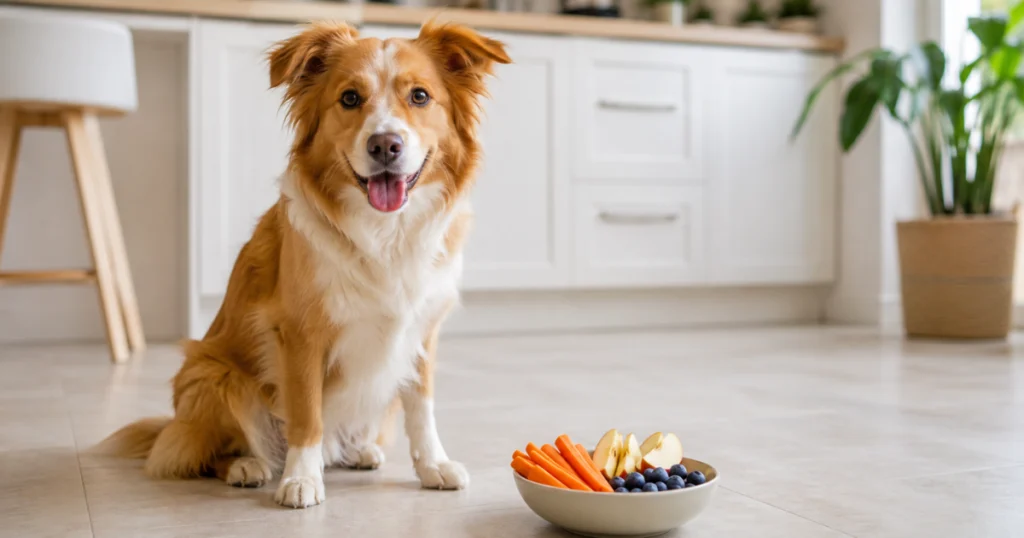
Most of us are operating on partial information about what our dogs can eat. We know the big ones — chocolate, everyone knows chocolate. But grapes, xylitol, garlic powder hiding in seasoning blends, macadamia nuts in a cookie — these catch people off guard.
Pepper’s grape night cost me $400 and a lot of stress. The education was worth it, though I’d have preferred to get it a different way.
The list of safe foods is genuinely long. Dogs can enjoy a wide variety of whole, fresh human foods as part of a balanced diet — see our complete dog nutrition guide and best dog food for sensitive stomach guide if you’re building meals around specific health needs. The dangerous foods are fewer in number but require zero ambiguity — know them, keep them out of reach, and have a plan for when something goes wrong anyway.
Because sometimes it does. And being ready makes all the difference.